
Why your Jacksonville property tax won't match the seller's
By North Florida Mortgage · Published · Updated
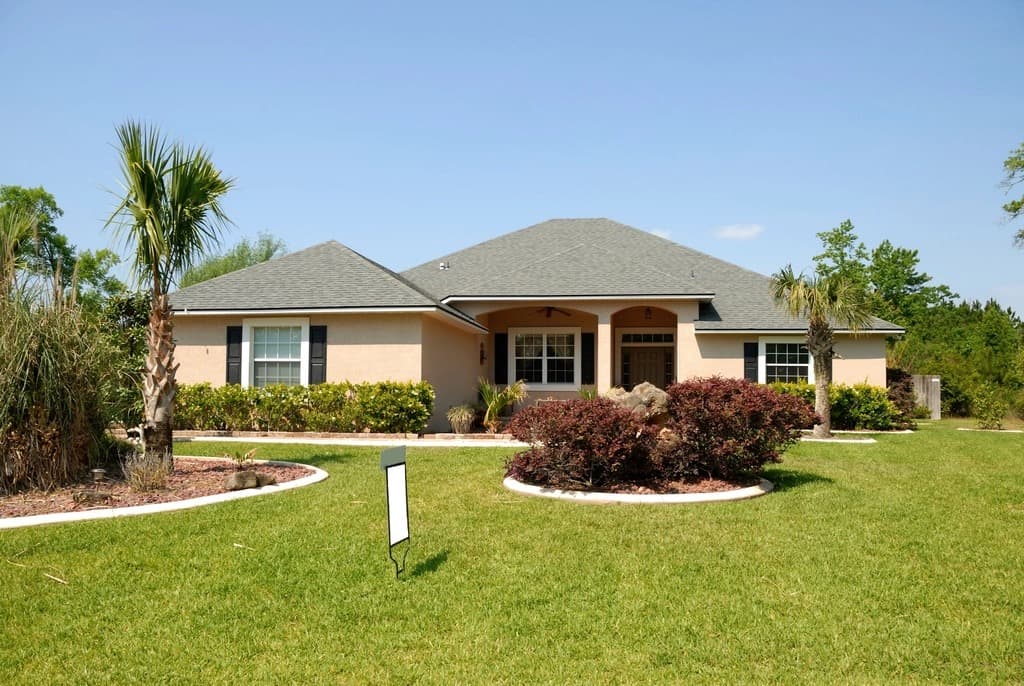
If you are moving to Jacksonville from another state, the hardest part is not finding a house. It is understanding what the house actually costs to own once you are here. Florida has no state income tax, which is why a lot of people come. But there is one property tax rule that catches almost every out-of-state buyer off guard, and it can swing your monthly payment by hundreds of dollars.
I work with relocating buyers all the time. Here is the plain version.
Why is my Jacksonville property tax higher than the seller's?
Because Florida's tax cap resets when a home sells. Your first-year taxable value is the full price you paid, not the seller's old, capped number. That is why your bill can be much higher than the one on the listing.
Here is the mechanism. Florida has a protection called Save Our Homes. Once a home is someone's primary residence, it caps how much their taxable value can rise each year: no more than 3 percent or the change in the Consumer Price Index, whichever is lower. For 2026 that cap is 2.7 percent (Florida Department of Revenue). Over many years, a long-time owner's taxable value falls far below what the home is actually worth, so their tax bill looks tiny.
That cap resets the moment the home sells. The seller's twenty years of protection does not transfer to you. Your taxable value starts over at what you paid.
So do not budget your taxes off the current owner's bill. Estimate off your purchase price, every single time.
How much are property taxes in Jacksonville?
Estimate roughly 1 percent of your purchase price per year, then add insurance. Florida's effective property tax rates run a little under 1 percent of value in most areas, but the dollar amount still surprises newcomers. On a home in the high $300,000s, plan for a meaningful annual tax bill, plus homeowners insurance that in Jacksonville commonly runs somewhere in the $2,800 to $4,000 a year range for a typical home (2026 Jacksonville market data).
Always estimate your monthly cost as principal, interest, taxes, insurance, and any HOA, not just the loan payment. That full number is what actually hits your budget. Your realtor or I can pull a real estimate for the specific home and county before you write an offer.
What is the Florida homestead exemption, and how do I get it?
The homestead exemption is a tax break for your primary residence. It removes up to roughly $50,000 from your taxable value and starts your own Save Our Homes cap, which limits how fast your future bills can rise.
To get it, you must own and live in the home as your primary residence as of January 1, then file with your county property appraiser by March 1. Confirm the current amounts and deadline with your county property appraiser, since Florida adjusts the figures each year.
What is the 2026 Florida property tax amendment?
Florida voters will decide a property tax amendment on the November 3, 2026 ballot (Amendment 3, from HJR 1F). If it passes with the required 60 percent, it would raise the homestead exemption on non-school taxes to $150,000 in 2027 and $250,000 in 2028. The catch for movers is a date: someone who was not a Florida resident on December 31, 2026 would start at the regular exemption and get the larger one beginning in their fifth year of exemption. The test is living here by that date, not owning a home by then. It is not law yet. If you are timing a move, it is worth watching, and you should confirm the outcome with your county property appraiser or a tax professional before you rely on it.
I am not a tax advisor, so use these as talking points and check your own situation with the county property appraiser. What I can do is make sure your loan is built around your real Florida numbers.
What out-of-state buyers ask me most.
Why is my Florida property tax higher than the seller's?
Does the seller's homestead exemption transfer to me?
When do I file for homestead in Florida?
Can I estimate my Jacksonville property taxes from the listing?
Get your real Jacksonville number before you offer
The buyers who do this well know their true monthly cost, taxes and insurance included, before they write an offer. Message me or call 904-389-4635 and I will build you a realistic estimate for the neighborhoods you are considering. No rate guesses, just real numbers for your situation.
Sources
Related, in plain English.
- Closing Costs in Florida: What to Expect
Buyers budget for the down payment, then get surprised by a second number at the closing table.
- Why Jacksonville home insurance is high, and your loan
Insurance is the affordability surprise newcomers do not see coming.
- Seller Concessions in Florida: Who Pays Closing Costs
Short on cash after the down payment?
- What Can I Qualify For in Jacksonville?
Estimate what you can borrow in Jacksonville using this week's real Freddie Mac rate.