
Seller Concessions in Florida: Who Pays Closing Costs
By North Florida Mortgage · Published
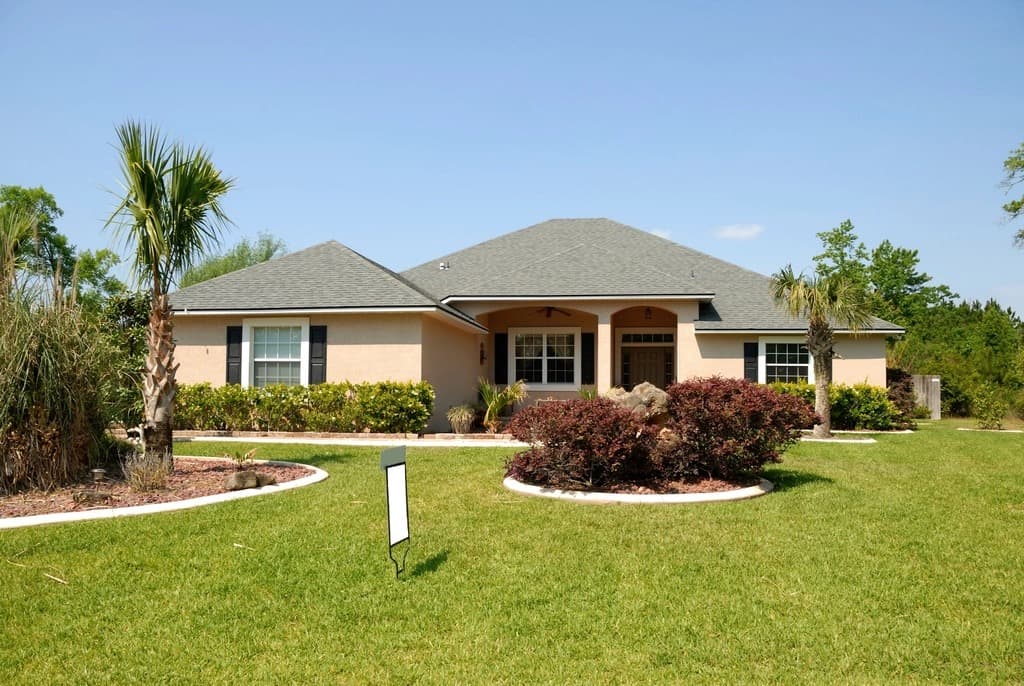
A buyer can save up for the down payment and still come up short at the closing table, because closing costs are a separate bill. One fix a lot of buyers do not know about: you can ask the seller to pay part of it. It is a normal move in a purchase contract, not a sign of desperation on either side.
Jason has seen this play out firsthand. On two closings this year, his buyers negotiated at least 10% under the asking price and still got the seller to help with costs, because the homes had been sitting on the market. A seller who has waited months for an offer is often more open to it than you would expect.
Here is what "seller pays closing costs" actually means, and how much each loan program allows.
What a seller concession covers, and what it does not
A seller concession, sometimes called an interested-party contribution, is money the seller agrees in the contract to put toward your closing costs and prepaid items, like the first year of homeowners insurance or your escrow setup for property taxes.
It does not cover your down payment. Lenders keep those two pots separate on purpose, so a concession cannot be used to get you into the house with less of your own money down. It only offsets the fees and prepaids that come on top of the down payment.
The cap depends on your loan type
Every loan program limits how much a seller can kick in, expressed as a percentage of the sales price. Go over the cap and the extra amount is not just disallowed, it is treated as an "inducement to purchase" that reduces your loan amount dollar for dollar, per HUD guidance. So this is not a number to guess at.
- FHA loans: the seller and any other interested party can contribute up to 6% of the sales price, per HUD Handbook 4000.1.
- Conventional loans (Fannie Mae): the limit moves with your down payment on a primary residence: 3% if you are putting down less than 10%, 6% if you are putting down 10% up to 25%, and 9% if you are putting down more than 25%.
- VA loans: seller concessions are capped at 4% of the property's value, per the VA Lenders Handbook. Normal closing costs the seller pays, like your title fees or a rate buydown, do not count toward that 4%, so the actual room is often bigger than 4% sounds.
Put plainly: the less you put down, the more conservative the cap, because the loan is already carrying more risk with a smaller down payment.
Why this is worth negotiating, not assuming
None of this is automatic. A concession has to be written into your purchase contract before closing, which means it has to be asked for during negotiation, not added after the fact. If your real estate agent has not raised it, ask.
It also is not free money from the seller's side. Sellers typically build a concession into how they think about their net proceeds, so it is one more thing on the table alongside price, repairs, and timeline. On a home that has sat unsold for a while, sellers are often more willing to move on this than on price itself.
Know your cap before you negotiate
The right number to ask for depends on your loan program and your down payment, and asking for more than your cap allows can shrink your loan instead of helping you. Before you write an offer, it is worth knowing your exact limit.
Call North Florida Mortgage at 904-389-4635. We will tell you the seller-concession cap for your specific loan and down payment before you negotiate, so you and your agent know exactly what to ask for.
Sources
Related, in plain English.
- Closing Costs in Florida: What to Expect
Buyers budget for the down payment, then get surprised by a second number at the closing table.
- Should You Lock Your Mortgage Rate, or Wait?
Waiting for a better rate can cost you the house you actually want.
- Why Jacksonville home insurance is high, and your loan
Insurance is the affordability surprise newcomers do not see coming.
- What Can I Qualify For in Jacksonville?
Estimate what you can borrow in Jacksonville using this week's real Freddie Mac rate.